In India, almost four out of five personal loan applications receive an eligibility response in a matter of minutes, but the funds don’t always arrive in the account that quickly. Most first-time borrowers are confused by the gap between “approved” and “disbursed,” which typically lasts one to five business days.
People who effectively manage their finances are different from those who miss a payment deadline while waiting for money they thought would arrive right away because they are aware of this difference.
This piece breaks down exactly what happens once you submit the checks, the paperwork, the waiting, and the reasons things sometimes slow down.
What Is the Personal Loan Approval Process?
The personal loan approval process is the sequence of steps a lender follows to verify your eligibility, income, and creditworthiness before releasing funds. It typically includes an eligibility check, document verification, credit assessment, a sanction decision, and final disbursal, usually completed within 1 to 7 working days depending on the lender and loan amount.
Personal Loan Approval Steps Explained
Here’s what actually happens behind the scenes, stage by stage.
Step 1: Eligibility Check (Soft Inquiry)
When you apply for a personal loan online through a marketplace or lender app, the first check is usually a soft inquiry, a preliminary look at your income, existing EMIs, and credit score that does not affect your credit score. This stage takes anywhere from 30 seconds to 2 minutes and gives you an indicative loan amount and interest rate range.
Step 2: Document Upload and KYC Verification
Next comes document submission: PAN, Aadhaar, salary slips or ITRs, and bank statements. Lenders cross-check these against your application details. This is where KYC verification happens, either digitally through e-KYC or via a physical document check, and it usually takes a few hours to 1 working day.
Step 3: Credit Assessment (Hard Inquiry)
Once documents are clear, the lender runs a hard inquiry on your credit report. This one does show up on your credit history and can cause a small, temporary dip in your credit score (typically 3–5 points). The lender evaluates your repayment history, existing debt, and credit utilization here.
Step 4: Sanction Decision
Based on the credit assessment, the lender issues either a sanction letter (approval with final loan terms) or a rejection. This step generally takes 1 to 3 working days for salaried applicants and slightly longer, 2 to 5 working days, for self-employed applicants with more complex income documentation.
Step 5: Loan Agreement and E-Signing
You’ll review the final interest rate, tenure, processing fee, and EMI amount, then complete e-signing of the loan agreement. This is legally binding, so read the numbers carefully before confirming.
Step 6: Disbursal
Funds are transferred to your bank account. Many digital lenders now offer same-day personal loan disbursal once the agreement is signed, though some NBFCs (Non-Banking Financial Companies) take 24 to 48 hours to process the transfer.
A quick summary of the full flow:
- Soft eligibility check (30 seconds–2 minutes)
- Document upload and KYC (few hours–1 day)
- Credit assessment via hard inquiry (1–2 days)
- Sanction letter issued (1–5 days)
- Loan agreement e-signed
- Disbursal to bank account (same day–48 hours)
Together, this full personal loan sanction-to-disbursal process rarely takes longer than a week for a straightforward application with clean documents.
Comparing Approval Timelines by Applicant Type
Not every borrower moves through the process at the same speed. Here’s a rough comparison based on typical lender timelines:
| Applicant Type | Documents Needed | Typical Approval Time | Typical Disbursal Time |
| Salaried, existing credit history | PAN, Aadhaar, 3 months’ salary slips, bank statement | 1–2 days | Same day–24 hours |
| Salaried, first-time borrower | Same as above, plus employment proof | 2–4 days | 24–48 hours |
| Self-employed | PAN, Aadhaar, 2 years ITR, 6–12 months bank statements | 3–5 days | 48–72 hours |
| Applicant with existing high EMI load | Full documents + updated credit report | 4–7 days | 48–72 hours |
If you’re not sure which category fits you, checking your credit score for free before applying gives you a realistic picture of where you stand and whether you’re likely to move through approval quickly or face extra scrutiny.
What to Do While You Wait
- Keep your phone and email accessible. Most delays happen because a verification call or document request goes unanswered for a day or two.
- Avoid applying to multiple lenders at once; each hard inquiry can shave a few points off your credit score.
- Double-check that your name, address, and PAN details match exactly across all uploaded documents.
- If self-employed, keep your bank statements and ITRs ready before applying, not after, to avoid the biggest single source of delay.
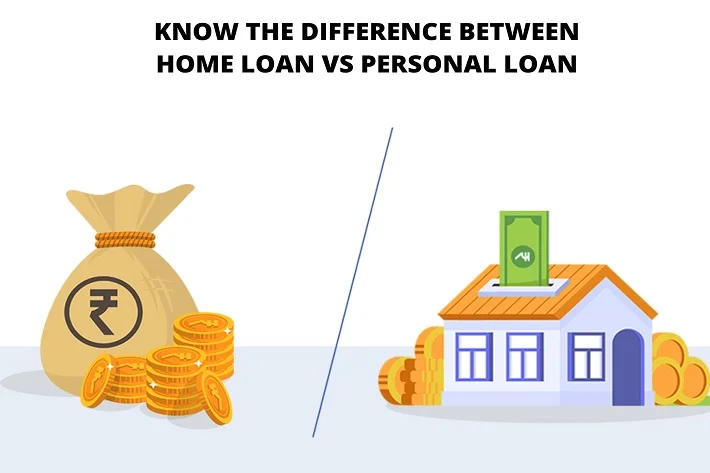
| You May like to Read: Home Loan vs Personal Loan: Know the Difference
Before You Apply Again
If you’re comparing lenders and want to see real, eligibility-based offers instead of guessing at approval odds, platforms like RupeeQ let you check your eligibility across multiple banking and NBFC partners in one place, without any fees or pushy follow-up calls.
It won’t skip the verification steps above that no legitimate lender can, but it can help you walk in prepared, with the right documents ready from day one.